
Advanced Vision Care Service Options for 2026
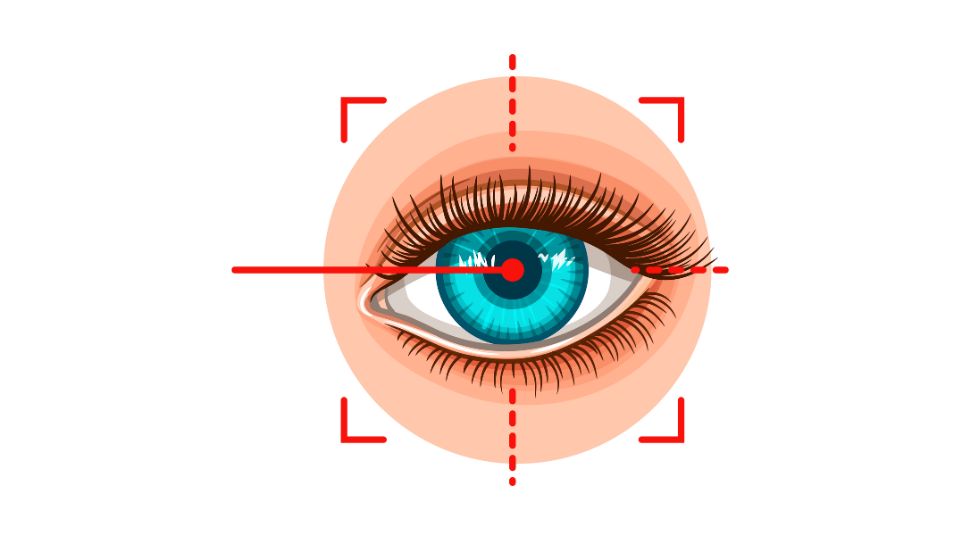
The future of seeing clearly isn’t what you think it is.
Ever wonder why your grandparents needed thick glasses but today people are getting laser eye surgery on their lunch breaks? Clinics like dr fishburn at Intermountain Eye Center are a big part of that shift—offering comprehensive, advanced vision care that blends innovative treatments with deeply personalized attention, helping patients maintain optimal eye health and crystal-clear vision for life.
Eye care has come a long way since the days of “is it clearer with lens 1 or lens 2?” Modern vision care combines cutting-edge technology with personalized approaches that would make sci-fi writers jealous.
And honestly, thank goodness for that progress. Because our eyes deserve more than just a basic checkup and some off-the-rack glasses.

The Evolution of Modern Eye Care
Today’s vision care goes way beyond the Snellen chart (you know, that poster with the shrinking letters). We’re talking comprehensive services that protect your eyes from cradle to grave.
The best eye doctors today aren’t just prescribing glasses – they’re using advanced imaging that can detect diseases years before symptoms appear, performing surgeries that let you ditch your glasses forever, and offering treatments that can literally save your vision.
And the coolest part? These services aren’t just available in fancy research hospitals. High-quality eye care centers are bringing hospital-level technology right to your neighborhood.
The Tech Revolution in Eye Diagnostics
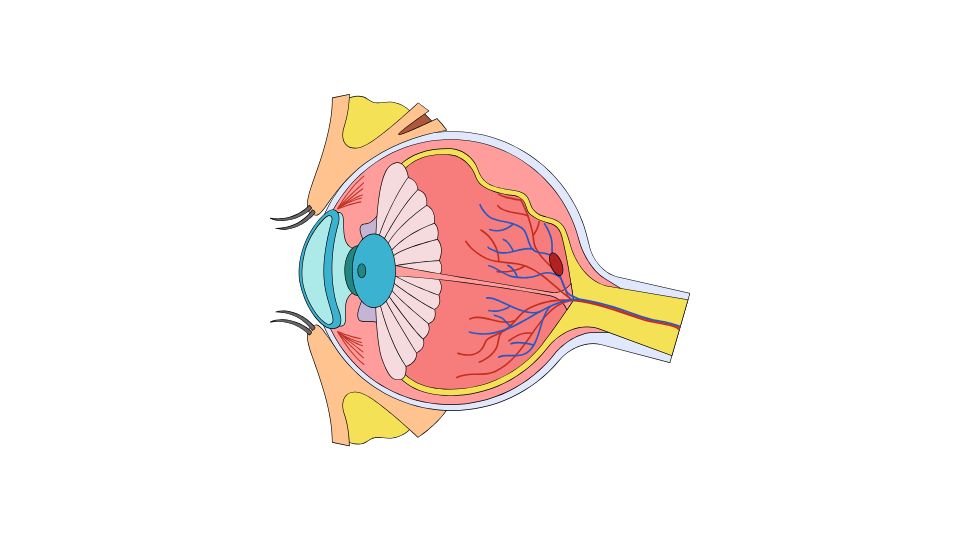
Remember when getting your eyes checked meant covering one eye and reading letters off a chart? Those days are history.
Modern eye centers use equipment that looks like it belongs on a spaceship:
- Digital retinal imaging that captures your entire retina in one panoramic shot
- Optical coherence tomography that creates cross-sectional images of your eye (like an MRI for your eyeball)
- Corneal topography that maps the surface of your eye like a geographical survey
This tech isn’t just fancy for fancy’s sake. It means your eye doctor can spot the earliest signs of conditions like glaucoma, macular degeneration, and diabetic retinopathy before they steal your vision.
And here’s the thing: early detection = better outcomes. Period.
LASIK and Beyond: Freedom From Glasses
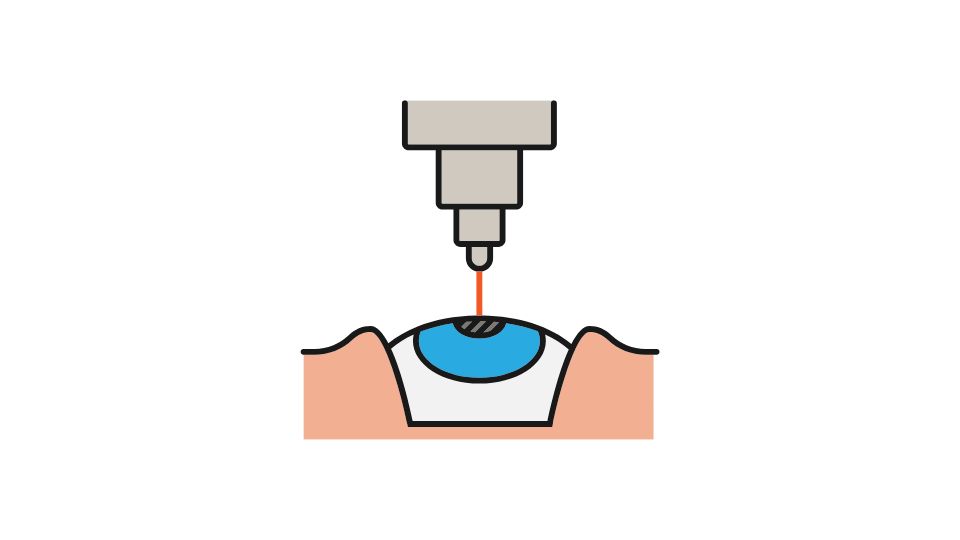
Let’s talk about LASIK for a minute – that miracle procedure where they reshape your cornea with lasers so you can see clearly without glasses or contacts.
LASIK has been around for decades, but it’s gotten so precise that many patients now achieve vision that’s better than 20/20. That’s right – better than what’s considered “perfect” vision.
But LASIK isn’t the only game in town anymore. There’s also:
- PRK (similar to LASIK but better for certain corneal shapes)
- SMILE (a less invasive laser correction that may reduce dry eye symptoms)
- Implantable contact lenses (for people with prescriptions too high for laser correction)
The best part? These procedures typically take less than 15 minutes per eye, with minimal recovery time. Many people go back to work the next day seeing clearer than they have in their entire lives.
Cataract Surgery: Not Your Grandma’s Procedure Anymore
Cataracts (that clouding of your eye’s natural lens) used to mean mandatory thick glasses after surgery. Now? It’s practically a vision enhancement opportunity.
Modern cataract surgery has become so advanced that many doctors call it “refractive cataract surgery” because it can correct your vision at the same time it removes the cataract.
The real game-changer has been the development of premium intraocular lenses (IOLs). These artificial lenses can:
- Correct astigmatism
- Provide both near and distance vision (like bifocals, but inside your eye)
- Filter harmful blue light
- Even adjust to different lighting conditions
The most mind-blowing development? The Light Adjustable Lens, which can be fine-tuned AFTER it’s in your eye. Your doctor literally uses light to adjust the lens’s shape based on your visual needs. That’s some serious sci-fi stuff happening in real life.
Glaucoma: The Silent Vision Thief That’s Not So Scary Anymore

Glaucoma used to be a terrifying diagnosis because once vision was lost, it was gone forever. While that’s still technically true, modern treatments have gotten so good at preventing progression that most people diagnosed early will never go blind.
The arsenal of treatments now includes:
- Eyedrops that effectively lower eye pressure (the main risk factor)
- Selective laser trabeculoplasty (SLT) – a quick, painless office procedure
- Minimally invasive glaucoma surgery (MIGS) – tiny implants that help drain fluid
These newer treatments are so much better than the old options. Less side effects, faster recovery times, and better pressure control. Modern glaucoma management means most people keep their vision for life.
Beyond the Basics: Specialized Eye Care Services
Your eyes aren’t just for seeing – they’re windows to your overall health, and they deserve comprehensive care.
Advanced eye centers now offer:
- Dry eye clinics with treatments ranging from prescription eye drops to intense pulsed light therapy
- Specialty contact lens fittings for conditions like keratoconus
- Pediatric services focusing on early intervention
- Diabetic eye care programs
- Retina specialists for macular degeneration and other sight-threatening conditions
And the best part? These services are increasingly available under one roof, meaning less running around between specialists and better coordination of your care.
What Makes a Great Eye Care Center?
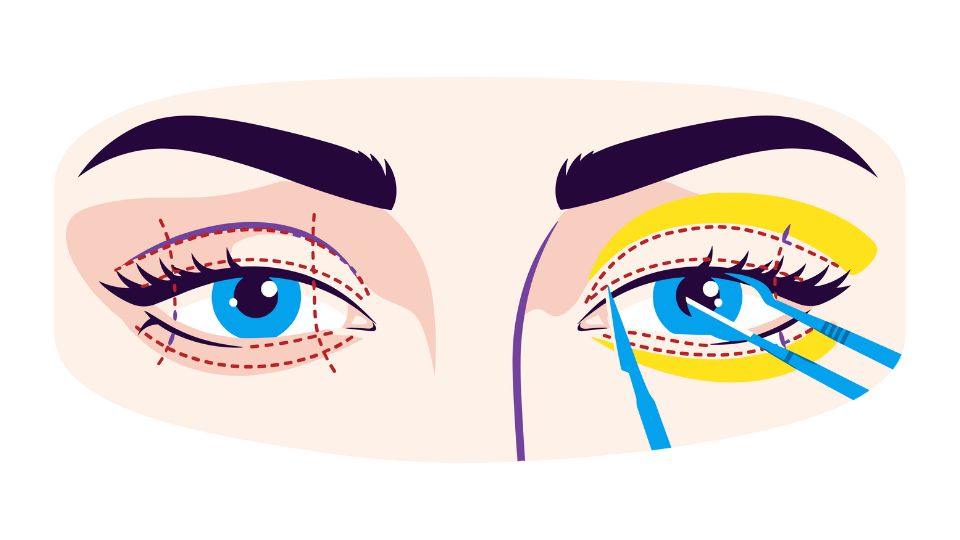
Not all eye care is created equal. When you’re looking for vision care, here’s what separates the good from the great:
Board-certified specialists – Because would you trust your only pair of eyes to someone without proper credentials?
Cutting-edge technology – The best centers invest in the latest diagnostic and treatment tools because they deliver better outcomes.
Comprehensive services – From basic eye exams to complex surgeries, having everything in one place means better continuity of care.
Research participation – Centers involved in clinical trials and research stay at the forefront of innovation.
Patient-centered approach – Because your experience matters just as much as the clinical outcome.
When you find a center that combines all these elements, you’re not just getting an eye exam – you’re getting a vision care partner for life.
The Future Is Even Brighter
What’s coming next in eye care will blow your mind:
- Artificial intelligence that can detect eye diseases from a simple photo
- Gene therapy that may cure inherited eye conditions
- Bionic eyes and retinal implants for those with severe vision loss
- Eye drops that could potentially replace reading glasses
These aren’t science fiction fantasies – they’re technologies currently in development or early implementation.
Taking Control of Your Eye Health
With all these advances, there’s never been a better time to prioritize your vision health. But all the technology in the world won’t help if you don’t take that first step.
Here’s what you should do:
Schedule comprehensive eye exams – not just vision checks. The American Academy of Ophthalmology recommends a baseline eye exam at age 40, even if your vision seems perfect.
Know your risk factors. Family history of eye disease? Diabetes? High blood pressure? These increase your odds of developing vision problems.
Protect those peepers daily. Wear sunglasses, use safety eyewear during risky activities, and give your eyes breaks from screen time.
Don’t ignore changes in your vision. That blurry spot or occasional flash might be nothing – or it could be the first sign of something serious.
Your eyes work hard for you every waking moment. With modern vision care, you can help them stay healthy for a lifetime of clear, comfortable sight.
So go ahead – make that appointment with a quality eye care provider. Your future self (who’ll still be reading without glasses at 65) will thank you.
