
Are Ceramic Dental Implants as Strong as Traditional Implants? Here’s What the Research Says
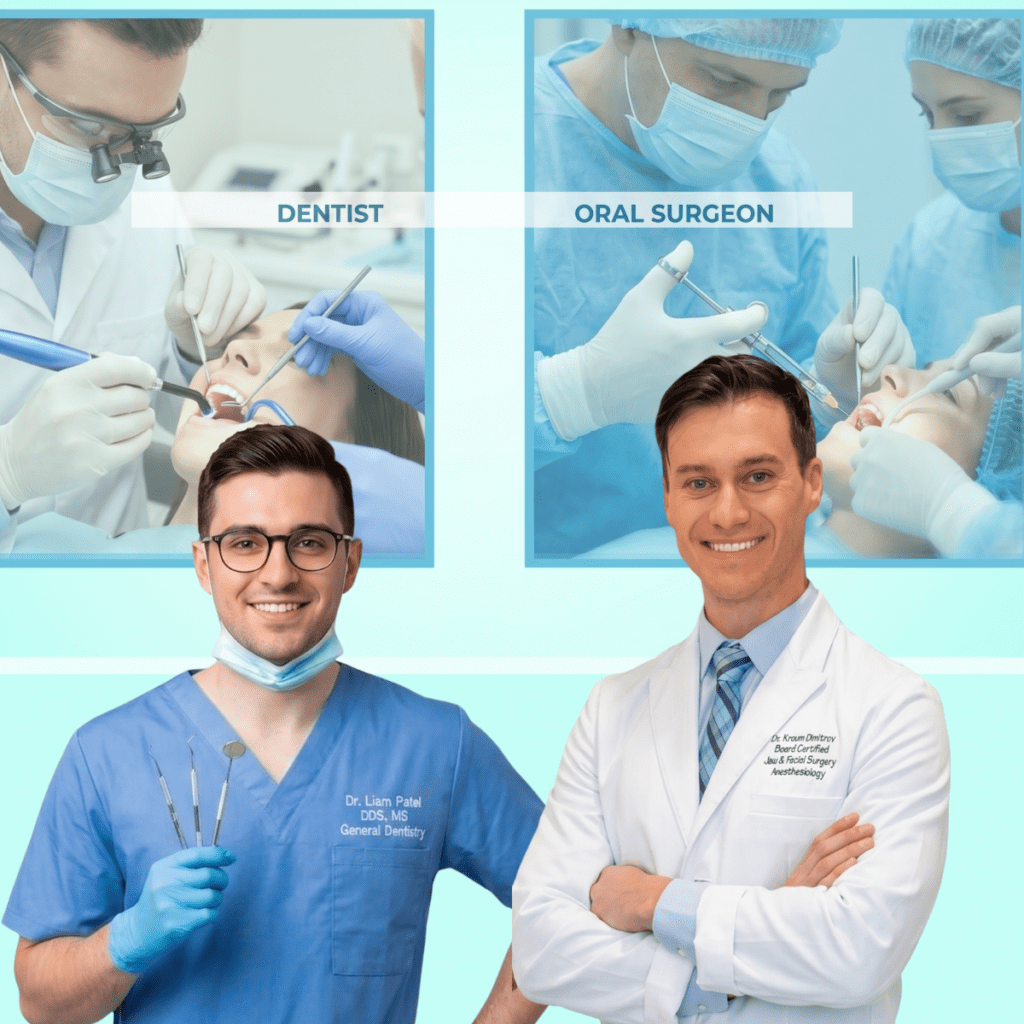
Dental implants must handle chewing, biting, and daily pressure for many years. That is why many patients ask whether ceramic implants are as strong as traditional titanium implants.
Find out what the research says about strength, durability, appearance, and how surgeons decide which material is right for each patient.
Why Implant Material Strength Matters?
The strength of a dental implant matters because the implant acts like an artificial tooth root. It must support a crown, bridge, or larger restoration while staying stable in the jawbone. If the material cannot handle repeated bite forces, the risk of complications may increase over time. This is why implant material is more than a cosmetic decision.
Traditional implants are usually made from titanium, while ceramic implants are most often made from zirconia. Both materials can be used successfully, but they do not behave the same way under stress. It’s generally accepted that titanium has the stronger overall mechanical profile, especially for long-term fatigue resistance but ceramic implants can still be a strong option when the case is selected carefully and planned around the patient’s bite, bone, and esthetic goals.
What Are Traditional Dental Implants and How Do Robotic Dental Implants Affect Planning?
Traditional dental implants are typically made from titanium or titanium alloys. Titanium has been used in implant dentistry for decades because it is strong, lightweight, and highly compatible with bone.
It also has a long history of successful osseointegration, which is the process by which the implant bonds with the jawbone. This long clinical track record makes titanium a common choice for single teeth, multiple teeth, and full-arch restorations.
Planning technology has also changed how implant material decisions are made. With advanced imaging and guided placement for ceramic dental implants, surgeons like Dr. Kroum Dimitrov, who leads the surgical team at Love Your Jaws, can evaluate bone density, nerve position, sinus location, and the best implant angle before surgery begins.
This type of planning matters for both titanium and ceramic implants because material strength alone does not guarantee success. The implant must be placed in a position that supports the final tooth and protects nearby anatomy.
What Are Ceramic Dental Implants?
Ceramic dental implants are usually made from zirconia, a high-strength ceramic material. Zirconia is white or tooth-colored, which makes it attractive for patients who want a metal-free option or have cosmetic concerns near the gumline.
This can be especially helpful when gum tissue is thin and a gray titanium shade might show through. Modern zirconia implants are stronger than earlier ceramic designs, which has made them more practical in selected cases.
Ceramic implants are often discussed as a natural-looking alternative to titanium, but appearance is only one part of the decision. A ceramic implant must still withstand chewing pressure, support the final restoration, and integrate with bone.
Patients who grind their teeth, have heavy bite forces, or need implants in the back of the mouth may require extra evaluation. The safest recommendation depends on both the material and the forces the implant will face every day.
Ceramic vs. Titanium Implants: What Does “Strong” Actually Mean?
When researchers compare implant materials, “strong” can mean several things. Tensile strength measures how well a material resists pulling forces, while fatigue resistance measures how well it handles repeated stress over time. Hardness describes resistance to surface wear, and fracture resistance relates to how well a material avoids cracking. These categories matter because chewing creates repeated pressure, not just one single force.
Titanium often performs better in tensile strength and fatigue resistance, which makes it a strong choice for high-load areas. Zirconia often performs well in terms of hardness and stiffness, which can help it resist wear and maintain shape. However, ceramic materials can be more brittle than metal under certain stress patterns. This means ceramic implants can be strong enough for many patients, but titanium may remain more forgiving in demanding bite situations.
What the Research Says About Strength and Durability?
Comparing implant materials generally shows that titanium has the strongest overall performance for long-term load endurance. Titanium often shows tensile strength around 810 MPa (megapascal, meaning 1,000,000 pascals, a standard metric unit used to measure pressure or tensile and compressive strength), while zirconia measures around 690 MPa, and broader ceramic materials measure around 410 MPa. Titanium also shows higher fatigue resistance, with about 1,010,000 cycles, compared with about 820,000 cycles for zirconia and 590,000 cycles for ceramic. These numbers suggest that titanium is still the leader when repeated chewing forces are the main concern.
That does not mean ceramic implants are weak. Modern zirconia implants can be strong and clinically useful when the implant site, bite, and restoration design are appropriate. Titanium is generally stronger in mechanical endurance, while zirconia offers important esthetic and metal-free advantages.
For patients, the real question is not whether ceramic implants are strong in general, but whether they are strong enough for the exact location and bite forces in their mouth.
Are Ceramic Dental Implants Strong Enough for Chewing?
Ceramic dental implants can be strong enough for chewing when they are used in well-planned cases. They may be especially suitable in visible areas where appearance matters and bite forces are controlled. Healthy bone support, stable gum tissue, and accurate implant placement all improve the chance of success. A well-designed crown also matters because it helps distribute chewing pressure in a way the implant can tolerate.
Some patients need a more cautious approach before choosing ceramic implants. People with bruxism, strong clenching habits, large molar replacements, or full-arch needs may place more stress on the implant system.
In those cases, titanium’s superior fatigue resistance may provide a better safety margin. A surgeon should evaluate bite forces, bone volume, and restoration design before deciding whether ceramic or titanium is the better material.
Esthetic Advantages: Where Ceramic Implants May Outperform Titanium
Ceramic implants may offer an esthetic advantage because zirconia is white rather than gray. This can make a meaningful difference for patients with thin gum tissue or a high smile line. If gum recession occurs later, a ceramic implant may be less likely to create a dark shadow near the gumline. For front-tooth replacement, that color advantage can help the final smile look more natural.
Appearance still depends on more than the implant material. The position of the implant, the shape of the gum tissue, and the quality of the crown all affect the final result. Even the most esthetic implant material can look unnatural if it is placed at the wrong angle or depth. This is why careful treatment planning is essential for patients who want both strength and a lifelike smile.
Why Surgeon Experience Matters as Much as Implant Material?

Implant success depends on the material, but it also depends on the person planning and placing the implant. At Love Your Jaws, a premier oral surgery center in South Miami, the oral surgery team, led by Board-certified Oral and Maxillofacial Surgeon Dr. Kroum Dimitrov, evaluates bone density, gum thickness, bite pressure, tooth location, and aesthetic goals before recommending ceramic dental implants or titanium ones.
This type of evaluation helps prevent choosing a material based only on preference. A strong implant material still needs healthy bone, accurate placement, and a bite that will not overload the restoration.
Surgeon experience is especially important when the case involves thin bone, sinus proximity, gum recession, or heavy bite forces. These factors can affect whether ceramic implants are appropriate or whether titanium is the safer choice.
Good planning can also determine whether bone grafting, bite protection, or a different restoration design is needed. The best implant material is the one that fits the patient’s anatomy, function, and long-term risk profile.
What the Research Says About Ceramic Implant Strength?
Ceramic dental implants offer advantages such as a metal-free design, natural appearance, and strong durability, making them an attractive option for many patients. However, titanium remains the stronger and more reliable material for high-stress situations, including molar replacements, heavy grinding, and full-arch restorations. The best choice depends on individual factors such as esthetics, bite forces, and bone support, which should be evaluated before treatment.
At Love Your Jaws, patients receive a personalized implant evaluation that considers material strength, smile appearance, jawbone support, bite forces, and long-term function before ceramic or titanium implants are recommended, helping each smile take shape with strength, balance, and natural beauty.
