
7 Resistance Training Tips to Prevent Falls for Seniors
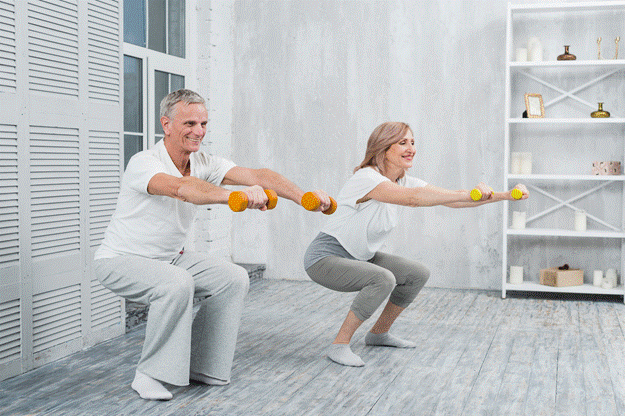
Photo from Freepik
Strength can decline with age, and balance can shift. Simple tasks may start to require caution. A small misstep may create hesitation or concern. That concern can limit movement and create tension in daily routines. Many seniors face this stage and wonder how to rebuild confidence and function.
Resistance training offers a clear path forward. Strong legs support safer stair use. A strong core improves posture and stability. Controlled movement sharpens coordination. Progress may begin with small steps, yet each repetition builds strength. Over time, confidence returns as the body adapts. Independence becomes more achievable.
1. Begin with a Safety Assessment
A clear baseline supports safe resistance training. Seniors need a starting point that reflects current strength, balance, and movement ability. This prevents rushed progression and reduces the chance of strain or injury. A trainer, physical therapist, or doctor can help identify limits that need attention.
A short assessment can include balance holds, a sit-to-stand test, and a gentle step-up. These tasks reveal how the body responds during real movement.
Before beginning, some seniors modify the home environment with solutions like stairlifts in Los Angeles. Even with support in place, resistance exercise remains essential for independence and confidence.
A safety assessment gives clarity before training begins. It guides exercise choices and helps set realistic goals. It creates direction, purpose, and awareness, which supports safer progress.
2. Strengthen Lower Body Muscles
Lower body training supports safer movement. Strong legs help control steps, turns, and weight shifts. Seniors benefit from exercises that target the hips, quadriceps, hamstrings, and calves. These muscles support gait and stair use.
Simple movements build strength without complexity. A sit-to-stand from a chair trains power for rising and walking. A supported squat strengthens major leg muscles and improves joint stability. A low step-up builds control for stair climbing. Each exercise should start slowly and remain controlled.
Lower body strength reduces hesitation during daily tasks. Strong muscles improve reaction time and confidence during movement. This foundation prepares the body for balance training and more advanced exercises later in the program.
3. Add Targeted Balance Training
Balance training supports stability during movement. Strength alone cannot prevent every fall. The body needs practice controlling weight shifts and responding to small changes in position. Targeted balance work helps the brain and muscles coordinate faster.
Simple drills work well. A heel raise improves ankle stability. A single-leg stance with light support challenges balance safely. A slow backward step trains coordination and spatial awareness. Each movement should stay steady and controlled.
Balance training prepares the body for real situations. A slip, uneven surface, or fast direction change becomes easier to manage. This skill reduces hesitation during daily movement and supports safer independence.
4. Train for Stair Control
Stairs create a common fall point for seniors. Resistance exercises that mimic stair movement help the body handle this challenge with confidence. Training specific patterns prepares joints and muscles for real steps instead of unexpected stress.
Start with low platforms. A slow step-up strengthens hips and quadriceps. A controlled step-down trains balance while lowering body weight. A lateral step targets stabilizing muscles that support side-to-side movement. Each drill improves coordination and foot placement.
Stair-focused exercises build skill and confidence. With practice, movements feel smoother and more predictable. This reduces hesitation when climbing or descending stairs and supports safer mobility at home and in public spaces.
5. Build Core and Upper Body Strength
Core strength supports posture and alignment during movement. A strong center reduces wobbling and compensations that can lead to falls. The upper body plays a role too, because arms help with balance adjustments and support during a slip.
Simple equipment works well. A light resistance band row strengthens back and shoulder muscles. A seated press trains the upper arm strength needed for support from railings. Slow trunk rotations engage core muscles and improve stability during turns.
Core and upper body strength improve control during everyday tasks. Better posture, steadier balance reactions, and stronger arm support create safer movement patterns during walking, standing, and stair use.
6. Include Supervised Support When Needed
Guidance can improve safety during resistance training. Some seniors benefit from supervision during early sessions, especially if balance challenges or health conditions create uncertainty. A trained professional can monitor form, adjust exercises, and prevent unsafe strain.
Support can come from different sources. A personal trainer with senior fitness experience can focus on technique. A physical therapist can address specific mobility concerns. A health coach can support consistency, lifestyle habits, and progression planning.
In some cases, help from an HHA in Brooklyn or a similarly trained aide can provide safe oversight during home exercise sessions. Many seniors prefer support at home because personalized care creates comfort and trust during movement.
Supervised training builds confidence while reducing risk. With guidance, exercises stay effective and controlled. Over time, seniors often transition to more independent sessions with stronger coordination and greater comfort during movement.
7. Stay Consistent and Progress Gradually
Consistency drives improvement. Resistance training works best when performed on a regular schedule. Two or three training days each week help the body adapt. Short sessions can still create meaningful gains when repeated over time.
Progress grows through small increases. A slightly heavier resistance band, one extra repetition, or a slower tempo can safely challenge the muscles. Controlled progression protects joints and prevents strain.
Consistency builds strength, balance, and coordination. Each completed session supports confidence during movement. Gradual progress keeps training sustainable and reduces setbacks. Seniors benefit when training becomes a routine part of weekly life.
Wrapping Up
Falls can impact confidence, routine, and independence. Resistance training gives the body the strength and stability needed to move with control. Each exercise prepares muscles, joints, and balance systems to respond to real movement demands.
Progress comes through practice. Training shapes movement patterns that feel steady, intentional, and secure. Confidence grows when the body supports every step with power and coordination.
Seniors have the ability to improve strength at any stage. A focused plan creates change. With consistent effort, daily movement becomes safer, and life feels easier to manage.
