
How Cross-Training Supports Recovery for Seniors Using Home Care
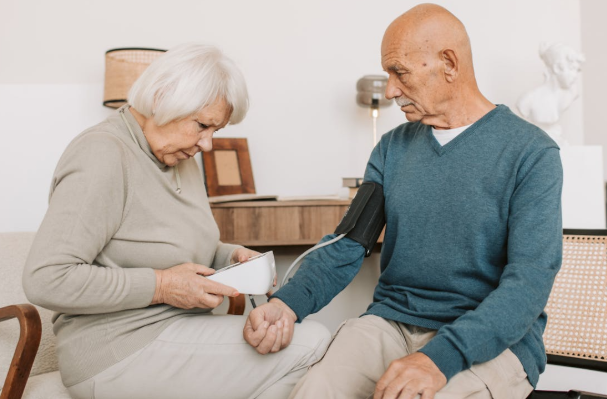
There is no single approach to recovery after illness, surgery, or age-related physical decline. Combining different forms of physical activity can help improve outcomes for older adults receiving support at home. Cross-training provides a structured way to rebuild strength, improve balance, and maintain independence by incorporating low-impact exercises from multiple disciplines.
This article explores the role of cross-training in supporting recovery for older adults and explains why it can be particularly effective when combined with professional home care services.
Why Home Care Makes Cross-Training More Accessible
Many older adults want to remain active but face practical barriers. Transport to a gym, rehabilitation centre, or therapy clinic can be difficult, particularly during recovery. When support is delivered at home, participation in regular physical activity often becomes more achievable.
Accessing home care packages in Melbourne can connect older adults with allied health professionals who provide services in the home. These may include physiotherapists, occupational therapists, and exercise physiologists. These professionals can develop and supervise a cross-training program tailored to an individual’s mobility level, health status, and recovery goals.
In Australia, eligible older adults may be able to access allied health services through government-funded aged care programs, depending on their assessment outcomes and approved care plans. Access to in-home support can help remove practical barriers to exercise and encourage greater consistency with rehabilitation activities.
What Cross-Training Means for Older Adults
Crross-training involves participating in a variety of complementary physical activities rather than relying on a single form of exercise. For older adults, this approach can help improve overall fitness while reducing the risk of overuse injuries and excessive strain on specific joints or muscle groups.
A balanced weekly routine may include:
- Water aerobics to support low-impact movement and cardiovascular fitness.
- Chair yoga to improve flexibility, mobility, and posture.
- Light resistance training using weights or resistance bands to maintain muscle strength.
- Walking to support cardiovascular health, endurance, and functional mobility.
By rotating between different activities, older adults can engage multiple physical systems while allowing adequate recovery between sessions. This approach can support confidence, strength, and stability during recovery from falls, surgery, or injury.
The Physical Benefits of Cross-Training During Recovery
Research consistently supports the role of physical activity in older adult rehabilitation. According to the Australian Institute of Health and Welfare, regular physical activity can help reduce the risk of falls, assist in managing chronic conditions, and support mental wellbeing among older Australians.
Cross-training may further enhance these benefits by providing varied movement patterns and physical challenges. Repeating the same activity over time can lead to slower progress as the body adapts. Incorporating different forms of exercise encourages continued physical adaptation and engagement.
For example, a person recovering from hip replacement surgery may begin with water-based exercise during the early stages of recovery. As mobility improves, walking programs may be introduced, followed by resistance exercises designed to build strength and support long-term function. Each stage complements the next, creating a progressive pathway to recovery.
Improved balance is one of the most valuable outcomes of a well-designed cross-training program. Falls remain a leading cause of hospitalisation among older Australians. The World Health Organization identifies exercise programs that focus on balance and functional movement as among the most effective strategies for reducing fall risk.
The Role of Allied Health Professionals
Home visits from allied health professionals can help ensure that exercise programs are appropriate, safe, and aligned with an individual’s recovery goals.
Physiotherapists assess mobility, strength, and movement patterns to identify suitable exercises and minimise injury risk.
Occupational therapists evaluate the home environment and recommend modifications that may improve safety and accessibility during daily activities and exercise sessions.
Exercise physiologists develop structured exercise programs and adjust intensity levels as recovery progresses.
This collaborative approach helps align physical activity with an individual’s health needs, recovery objectives, and medical advice. Professional guidance can provide reassurance and support ongoing participation in exercise throughout the recovery process.
Mental Health and Motivation in Recovery
Physical recovery and mental wellbeing are closely connected. Older adults who remain active during recovery often report improved mood, greater confidence, and increased motivation to continue participating in rehabilitation activities.
Cross-training can contribute to these outcomes in several ways. Variety may help reduce boredom, while achieving goals across different activities can strengthen confidence and provide a sense of accomplishment. Regular interaction with allied health professionals may also help reduce feelings of social isolation, which can affect many older adults, particularly those living alone.
Research published by the National Ageing Research Institute suggests that loneliness and physical inactivity can reinforce one another in older adults. Regular home visits from health professionals may provide both physical support and meaningful social engagement.
Building a Routine That Lasts
Long-term success often depends more on consistency than intensity. A manageable exercise routine that fits comfortably within daily life is generally more sustainable than an overly demanding program.
Home care support can help create the structure needed to maintain regular physical activity. Scheduled visits from care providers and allied health professionals may encourage accountability and support adherence to exercise plans.
For family members, professional support can also provide reassurance that an older relative’s physical needs are being monitored and addressed appropriately. This can allow families to focus on emotional support and maintaining meaningful relationships while recovery progresses.
Getting Started With Cross-Training and Home Care
Getting started typically begins with an assessment to determine eligibility for available aged care services and identify the support required. Assessments generally consider factors such as mobility, health status, daily living needs, and personal goals.
Following assessment, a personalised care plan may be developed. This can include allied health services that support a structured cross-training program. Care plans are reviewed regularly and can be adjusted as an individual’s needs, strength, and confidence change over time.
Recovery and healthy ageing require ongoing effort and support. Combining cross-training with professional home care services can provide older adults with practical strategies and expert guidance to support their recovery journey.
The Ultimate Power Couple for Healthy Ageing
Recovery is rarely a linear process, and progress can vary between individuals. However, combining a varied exercise program with personalised home care support can help older adults maintain strength, improve mobility, and preserve independence.
When delivered under appropriate professional guidance, cross-training can form an important part of a safe, sustainable, and effective recovery strategy that supports healthy ageing and long-term wellbeing.
