
How Long After a Concussion Can You Drink Alcohol?
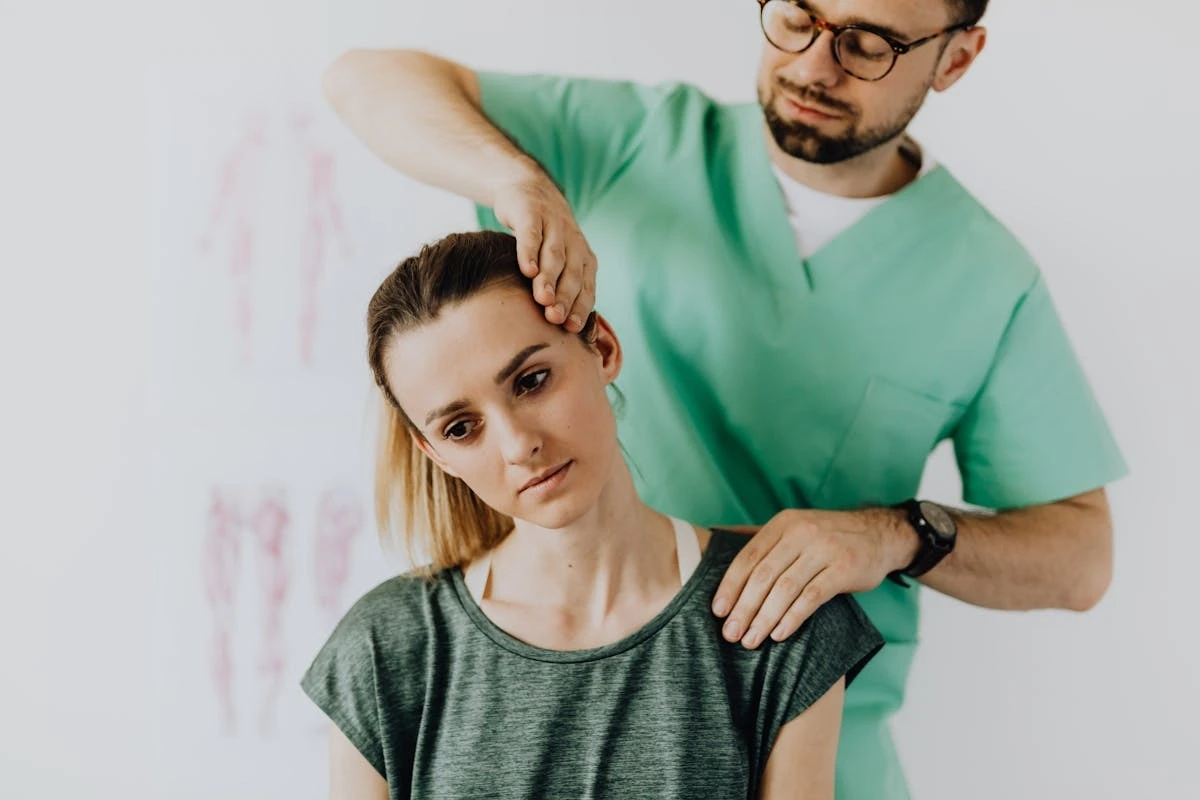
Image from: pexels.com/photo/professional-massage-therapist-treating-a-female-patient-s-injured-neck-4506165/
If you’ve recently experienced a concussion, you’re likely wondering when it’s safe to return to your normal activities, including having a drink. The straightforward answer is that medical professionals recommend waiting at least 48 hours after all concussion symptoms have completely resolved before consuming any alcohol.
However, this timeline can vary significantly based on the severity of your injury and your individual recovery process.
A concussion is a type of traumatic brain injury that temporarily affects brain function. During recovery, your brain is especially vulnerable to additional harm, and alcohol can interfere with the healing process in several ways.
Understanding why this waiting period matters and what happens if you drink too soon can help you make informed decisions about your health.
Why Alcohol and Concussions Don’t Mix
When your brain is recovering from a concussion, it’s working hard to repair damaged neural pathways and restore normal function. Alcohol is a central nervous system depressant that can slow down this healing process and mask important symptoms that help you and your doctor track your recovery.
Drinking alcohol after a concussion can worsen symptoms like headaches, dizziness, difficulty concentrating, and balance problems. Because these are also common concussion symptoms, consuming alcohol makes it nearly impossible to tell whether you’re actually healing or if the alcohol is creating new problems. This confusion can lead to premature return to activities, increasing your risk of additional injury.
Additionally, alcohol impairs judgment and coordination, which are already compromised after a head injury. This combination significantly raises your risk of falling or experiencing another impact to the head, potentially causing second impact syndrome, a rare but serious condition that can be life-threatening.
Understanding the Recommended Waiting Period
The 48-hour guideline assumes your concussion symptoms have fully resolved. For some people, this means waiting several days or even weeks after the initial injury. Every concussion is different, and recovery timelines vary based on factors like the severity of the impact, your age, previous concussion history, and overall health.
Your healthcare provider will likely perform cognitive tests and symptom assessments to determine when you’ve fully recovered. These evaluations look at memory, concentration, balance, and reaction time. Only when you’ve returned to your baseline function in all these areas should you consider the clock starting on that 48-hour alcohol-free period.
Some medical professionals recommend even longer waiting periods, particularly for moderate to severe concussions. Athletes and individuals with physically demanding jobs may need to wait until they’ve successfully returned to full activity without symptoms before reintroducing alcohol.
What Happens If You Drink Too Soon
Consuming alcohol before your brain has fully healed can lead to several concerning outcomes. First, you may experience a significant intensification of concussion symptoms. What might have been a mild headache can become debilitating, and slight dizziness can progress to severe vertigo.
Research suggests that alcohol consumption during the acute recovery phase may actually prolong your overall healing time. The brain needs adequate rest and optimal conditions to repair itself, and alcohol disrupts sleep patterns, dehydrates the body, and can trigger inflammatory responses that counteract the healing process.
More concerning is the potential for long-term cognitive effects. According to the Centers for Disease Control and Prevention, some studies indicate that drinking during concussion recovery may increase the risk of persistent post-concussive symptoms, a condition where symptoms last for months or even years after the initial injury.
Recognizing When Drinking Becomes a Problem
For some individuals, a concussion can become an unexpected turning point in their relationship with alcohol. The recovery period might reveal that they’ve been using alcohol more heavily than they realized, and the forced abstinence can be surprisingly difficult. Others may turn to alcohol to cope with the frustration, anxiety, or depression that sometimes accompany concussion recovery.
If you find yourself craving alcohol during your recovery, struggling with the recommended abstinence period, or noticing that you’re drinking more than intended once cleared to consume alcohol again, these may be signs of a developing or existing alcohol use disorder.
Post-concussion syndrome, characterized by symptoms that persist beyond the typical recovery window, can also contribute to unhealthy drinking patterns. The ongoing headaches, sleep disturbances, and mood changes associated with prolonged symptoms may lead some people to self-medicate with alcohol, creating a dangerous cycle that is typically addressed through some form of alcohol treatment program.
Professional Treatment for Alcohol Use Concerns
Recognizing problematic drinking patterns is the first step toward getting help. A treatment center specializing in alcohol detox and rehabilitation offers comprehensive care for individuals struggling with alcohol dependence or abuse.
Facilities of this nature often accept a wide range of insurances, including Medicaid coverage, and provide medically supervised environments where you can safely withdraw from alcohol while receiving the support necessary for lasting recovery.
Alcohol detoxification can be dangerous when attempted without medical supervision, particularly for individuals with heavy or prolonged drinking patterns. Treatment centers’ staff includes experienced physicians and nurses who monitor vital signs, manage withdrawal symptoms, and provide medications when appropriate to ensure safety and comfort throughout the detox process.
What to Expect From Alcohol Treatment Programs
Quality treatment centers offer more than just detoxification services. After the initial detox phase, which typically lasts several days to a week, comprehensive programs include individual therapy, group counseling, and education about addiction and recovery. Many facilities also address co-occurring mental health conditions like anxiety or depression that often accompany substance use disorders.
Treatment approaches vary but often include evidence-based therapies such as cognitive behavioral therapy, which helps identify and change thought patterns and behaviors related to drinking. Motivational interviewing techniques help strengthen your commitment to change, while dialectical behavior therapy can teach emotional regulation skills that reduce the urge to drink.
Specialized programs may also address the unique challenges faced by individuals recovering from both a concussion and alcohol-related concerns. The overlap between concussion symptoms and alcohol withdrawal can be complex, requiring integrated care that addresses both conditions simultaneously.
Continuing Care and Long-Term Recovery
The journey doesn’t end when you leave a treatment facility. Reputable facilities provide aftercare planning that may include outpatient therapy, support group connections, sober living arrangements, and ongoing medical monitoring. This continuum of care significantly improves the chances of maintaining sobriety long-term.
Many treatment programs also work with your other healthcare providers, including any specialists managing your concussion recovery. This coordinated approach ensures that all aspects of your health are considered as you move forward.
Making Informed Decisions About Your Health
Whether you’re recovering from a concussion, concerned about your drinking habits, or both, the most important step is seeking professional guidance. Your primary care physician or a concussion specialist can provide personalized recommendations based on your specific situation and symptoms.
Don’t hesitate to be honest with healthcare providers about your alcohol consumption patterns. They’re not there to judge but to help you achieve the best possible outcome for your health. If concussion recovery has revealed underlying concerns about drinking, addressing them now can prevent more serious problems down the road.
Steps to Take When Healing from a Concussion
Remember that healing from a concussion is not just about avoiding alcohol. Adequate sleep, proper nutrition, gradual return to activities, and following all medical recommendations work together to support your recovery. Patience with the process, even when it feels frustratingly slow, gives your brain the best chance to heal completely.
Your brain is remarkably resilient, but it also deserves your respect and protection. Waiting to drink until you’re fully healed isn’t just a recommendation but an investment in your long-term cognitive health and overall well-being.
References and Resources
American Academy of Neurology. (n.d.). Concussion guidelines and resources.
American Society of Addiction Medicine. (n.d.). Standards of care for addiction treatment
Centers for Disease Control and Prevention. (n.d.). Traumatic brain injury & concussion.
Journal of Neurotrauma. (n.d.). Mary Ann Liebert, Inc., publishers.
Substance Abuse and Mental Health Services Administration. (n.d.). Treatment and recovery resources.
