
How to Afford Cross-Training Gear Without Breaking Your Budget
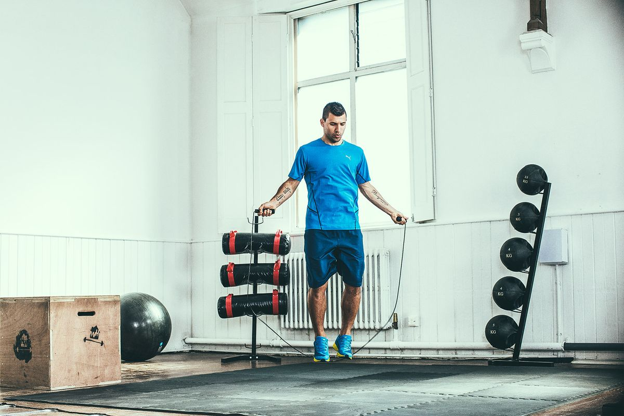
Cross-training helps you get fitter by combining strength, cardio, and mobility exercises. While some people believe it costs a lot to start, you can make it work on nearly any budget with some planning and smart shopping.
You do not need a large budget to begin cross-training. Affordable gear, second-hand equipment, and free training resources make it possible to build an effective routine without overspending. Learning when to spend and when to save benefits both your fitness and your finances.
Build Your Kit Gradually
A good way to manage your budget is to add to your gear collection over time. You do not need to buy everything at once. Many experienced cross-trainers began with a few basics and expanded their setup as their needs and budget allowed.
Financial guidance tools from Afford can help you plan purchases around your income and existing expenses. Treating fitness gear like any other budget category, rather than an impulse purchase, can lead to more informed financial decisions.
Set a monthly or quarterly budget for gear, even if it is a small amount. Over time, these regular purchases can help you build a complete home training setup without creating unnecessary financial pressure.
Prioritise Durability Over Cheapness
It is important to understand the difference between affordable and cheap. Cheap gear is often made with lower-quality materials and may wear out quickly, which can cost more over time. Affordable equipment offers a balance of quality, durability, and value.
When shopping for gear, check reviews and look for items with warranties where available. Spending a little more on a sturdy kettlebell or a quality lifting belt may save money in the long run because you are less likely to replace them frequently.
Buy Second-Hand and Shop Smart
There is a large second-hand market for fitness gear. Many people sell lightly used equipment through online marketplaces, local buy-and-sell groups, and classified advertising platforms. Because cross-training gear is often built to last, buying used can be a practical way to reduce costs.
When gyms close, relocate, or upgrade their equipment, quality items are often sold at significant discounts. You may find kettlebells, pull-up bars, weight plates, and plyometric boxes for much less than their original retail prices.
If you buy used gear, inspect it carefully first. Look for damage, rust, cracks, or worn grips. Minor cosmetic wear is usually acceptable, but avoid anything that could affect performance or safety.
Leverage Sales Cycles
Retailers offer sales throughout the year. Seasonal promotions, Black Friday events, New Year fitness campaigns, and other regional sales periods can provide worthwhile discounts on quality equipment. The specific timing and availability of these sales will vary depending on where you live.
Planning purchases around promotional periods can sometimes result in meaningful savings compared with regular retail prices. Subscribing to retailer newsletters and setting alerts for items you want can help you identify genuine deals. Patience is often one of the most effective ways to stay within your budget.
Reduce Gym and Class Costs Without Sacrificing Quality
Gym memberships and fitness classes can be expensive, but there are ways to access quality training for less. Many gyms offer discounted memberships during off-peak hours. If your schedule allows you to train during quieter periods, you may be able to reduce your monthly costs. Some facilities also offer casual passes, which can be useful if you primarily train at home but occasionally want access to specialised equipment.
Community recreation centres and local fitness facilities may provide access to basic equipment at a lower cost than some commercial gyms. Affordable training options can make it easier to maintain a consistent exercise routine over time, which is an important factor in supporting long-term health and fitness goals.
Free online workouts can also help reduce costs. Many qualified coaches share cross-training routines through online platforms at no charge. Educational resources from recognised professional organisations can provide useful information about exercise principles and training methods, helping you make informed decisions about your workouts.
Understand What You Actually Need
Before spending money, make sure you understand what your training programme requires. Many beginners purchase equipment they rarely use. In reality, many cross-training routines can be performed with only a few versatile items, such as resistance bands, a jump rope, a set of dumbbells, and a good pair of training shoes.
Start with two or three items that align with your goals and current fitness routine. Resistance bands, for example, are versatile, portable, and relatively inexpensive. A jump rope is also often available at a modest cost. Focusing on function rather than novelty can help prevent unnecessary spending and reduce clutter.
Consider the movements you perform most often in your workouts. Once you identify your priorities, you can make more purposeful purchases instead of buying equipment at random.
Track Spending and Reassess Regularly
Budgeting for fitness is an ongoing process rather than a one-time task. As your training goals evolve, review your spending regularly and focus on the equipment, memberships, and resources that provide the greatest value. Tracking fitness-related expenses can help you identify unnecessary costs and keep your budget aligned with your priorities.
You do not need expensive gear or a premium gym membership to achieve meaningful results from cross-training. By making informed choices, being patient, and building your setup gradually, you can stay active without putting unnecessary pressure on your finances. With a thoughtful approach, you can work towards your fitness goals while keeping your budget in good shape.
