
Why Health Screening Matters for Serious Cross-Training Athletes
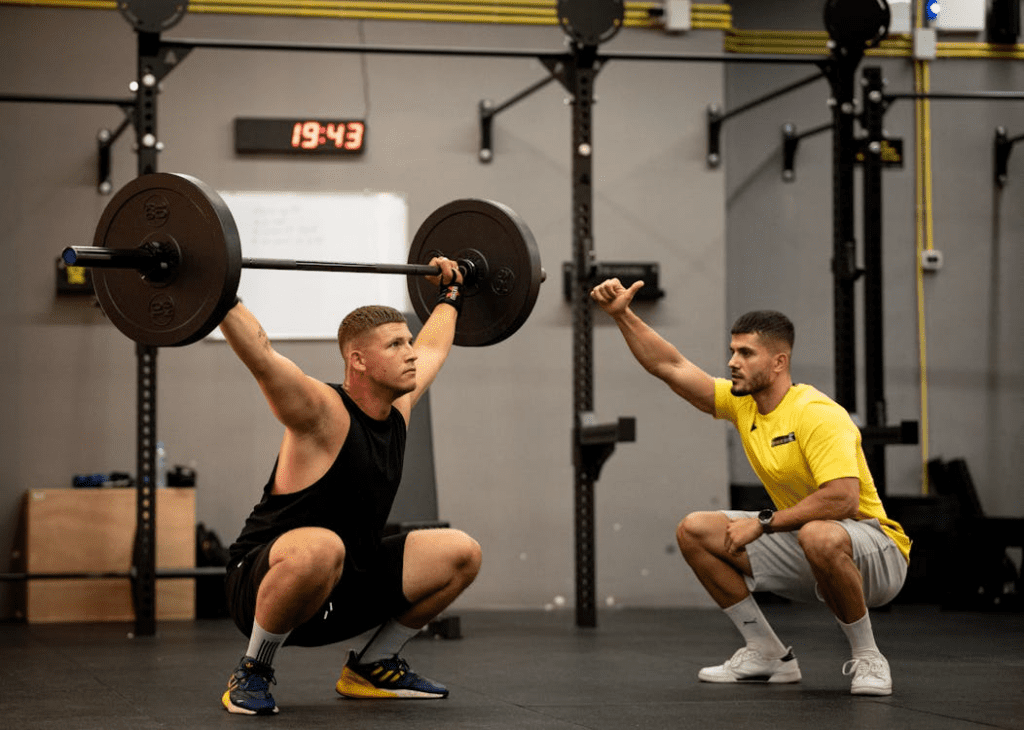
Cross-training is a demanding but highly effective approach to fitness. Athletes combine strength, endurance, cardio, and skill-based exercises within a single programme, placing simultaneous demands on multiple body systems. While the performance benefits are significant, undetected health issues can increase the risk of injury or medical complications during high-intensity training.
As training standards continue to rise, more athletes are recognising the importance of understanding their physical baseline before increasing workload or intensity. Preventative health assessments are becoming increasingly common, particularly among individuals working in physically demanding industries.
Why Health Screening Matters for Athletic Training
Preventative health screening is closely linked to both athletic performance and long-term physical resilience. Cross-training athletes, especially those employed in physically intensive fields such as construction, mining, defence, or emergency services, place substantial stress on their cardiovascular, respiratory, and musculoskeletal systems. Understanding how the body responds under strain can help athletes train more safely and progress more effectively.
Many athletes are already familiar with pre employment medicals conducted for workplace safety and compliance. These assessments commonly evaluate cardiovascular health, musculoskeletal condition, lung capacity, and existing medical concerns. The information gained can also provide valuable insights for athletic training. Identifying issues such as restricted mobility, joint instability, or muscular imbalances early allows athletes to modify training before minor weaknesses develop into serious injuries.
Even athletes outside physically demanding occupations can benefit from comprehensive screening. These assessments go beyond a standard medical check-up by providing a clearer understanding of individual limitations, recovery demands, and potential health risks associated with high-intensity training.
The Physical Demands of Cross-Training Are Unique
Cross-training athletes place simultaneous demands on multiple body systems during a single session. Training may involve heavy lifting, high-intensity intervals, gymnastic movements, and endurance conditioning performed within a short timeframe. Unlike many single-sport athletes, cross-training participants often stress their joints, muscles, cardiovascular system, and respiratory capacity all at once.
This variety is one of the reasons cross-training remains so popular. However, it also increases physical risk because underlying health issues can become more serious when several systems are pushed to their limits simultaneously. In some cases, the body may show few warning signs before an injury or medical event occurs.
Understanding your physical baseline before beginning or intensifying a training programme provides a significant advantage. It allows coaches, trainers, and medical professionals to build training plans based on what the body can safely tolerate rather than relying solely on performance goals or assumptions.
Early Detection Is a Competitive Advantage
One of the strongest reasons to undergo a health assessment is the opportunity to detect issues before they affect training consistency or performance. Research consistently shows that identifying weaknesses early can reduce injury downtime, lower rehabilitation costs, and minimise long-term physical damage. For competitive athletes, interrupted training can directly affect performance progression.
For example, musculoskeletal assessments can identify movement imbalances or mobility restrictions that may not yet cause pain but could eventually contribute to overuse injuries. Detecting these problems early enables coaches and physiotherapists to implement corrective strategies before more serious complications develop.
Cardiovascular screening can also identify conditions requiring medical management before they escalate during intense exercise. The importance of pre-employment medical assessments in physically demanding roles underscores the role of proactive screening in protecting long-term capacity. The same principle applies directly to athletic performance. Prevention is typically more effective, less disruptive, and more cost-efficient than rehabilitation after injury.
How Health Data Shapes Better Programming
Effective athletic performance relies on accurate physiological data. Serious cross-training athletes commonly monitor training volume, recovery quality, heart rate, and performance trends. Health screening data should be integrated into this process by reviewing results with qualified coaches or healthcare professionals to guide training adjustments and evaluate their effectiveness over time.
When athletes understand factors such as resting heart rate, lung function, movement limitations, and structural vulnerabilities, training programmes can be tailored more precisely. Coaches may adjust conditioning intensity based on cardiovascular markers, modify exercise selection around mobility limitations, or reduce unnecessary strain on vulnerable joints.
Rather than following a generic programme, athletes can train according to their individual physical capacity. This reduces injury risk while supporting more efficient performance progression.
Athletes who avoid formal health assessments often discover their limitations only after injury or burnout occurs. A structured screening process establishes a safer starting point and also creates measurable benchmarks that can be tracked throughout an athlete’s development.
According to Sports Medicine Australia, pre-participation evaluations are strongly recommended for individuals beginning high-intensity training programmes. This guidance closely aligns with the preventative principles already used within occupational health screening.
Making Health Screening a Habit, Not a One-Off
A single assessment can provide valuable information, but ongoing screening often delivers the greatest long-term benefits. Athletes who incorporate regular health evaluations into their routine gain clearer insight into how training affects their body over time.
Seasonal check-ups can identify whether particular training phases are placing excessive stress on joints, cardiovascular function, or recovery systems. They may also highlight situations where recovery is failing to keep pace with training demands. These insights are often difficult to recognise without professional evaluation.
Regular screening can also support psychological confidence. Knowing that underlying health concerns have been professionally assessed allows athletes to train with greater certainty and focus. That confidence can positively influence consistency, decision-making, and overall performance.
The Australian Institute of Health and Welfare frequently highlights the long-term value of preventative healthcare in reducing pressure on the broader health system. Proactive health screening remains an important part of that preventative approach.
The Smart Athlete Prepares Before Training, Not After Injury
Cross-training athletes often value preparation, discipline, and evidence-based improvement. Health screening aligns naturally with these principles. It is not about avoiding difficult training. It is about identifying the safest and most effective way to train consistently over the long term.
Athletes who prioritise their health before problems emerge help protect not only their performance but also their career longevity and quality of life. This approach reflects a disciplined and performance-focused mindset.
